Understanding joint pain, stiffness, and treatment Options
Big toe arthritis can make every step feel painful and unpredictable. The big toe joint (the first metatarsophalangeal joint) plays a key role in normal walking, balance, and push-off. When arthritis develops, the joint surface becomes worn, reducing movement and often leading to swelling, pain, and progressive loss of motion. If symptoms persist despite appropriate non-surgical care, surgery for big toe arthritis may be considered to relieve pain, improve function, and help you return to more comfortable walking.

Big toe arthritis, hallux rigidus and hallux limitus
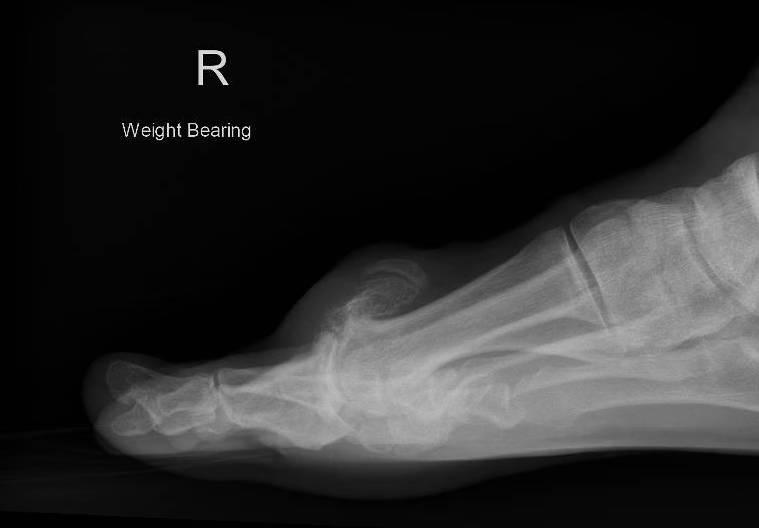
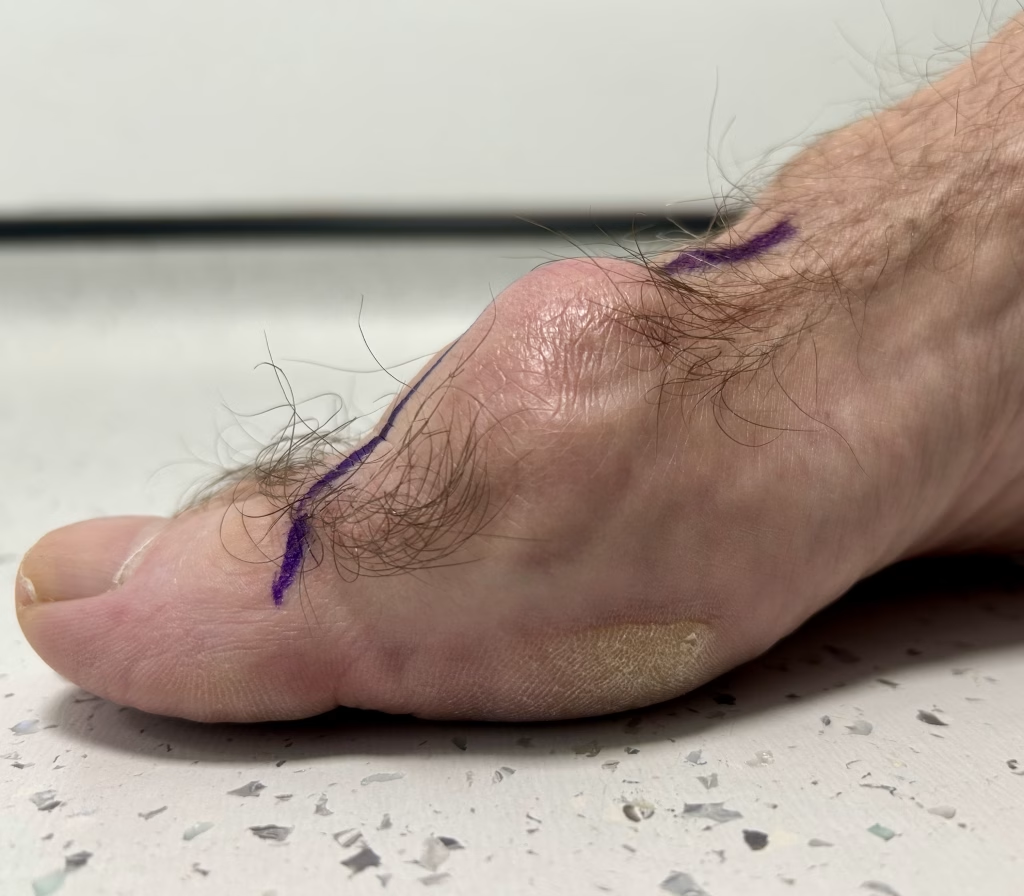
You may see big toe arthritis described as hallux rigidus or hallux limitus. These terms relate to the stiffness of the big toe joint. Hallux limitus usually refers to a stage where movement is reduced but not completely lost, while hallux rigidus is commonly used when the joint has become very stiff. In both cases, the underlying issue is similar – arthritis affecting the joint surfaces, often with bony spurs that restrict movement and cause pain.
Common symptoms include:
- Pain in the big toe joint, often worse when walking, bending the toe, or climbing stairs
- Swelling and tenderness around the joint
- Stiffness and reduced range of motion
- Difficulty wearing certain shoes, especially those with a tight toe box
- Pain during push-off, sometimes causing you to alter the way you walk
Big toe arthritis, hallux rigidus and hallux limitus
You may see big toe arthritis described as hallux rigidus or hallux limitus. These terms relate to the stiffness of the big toe joint. Hallux limitus usually refers to a stage where movement is reduced but not completely lost, while hallux rigidus is commonly used when the joint has become very stiff. In both cases, the underlying issue is similar – arthritis affecting the joint surfaces, often with bony spurs that restrict movement and cause pain.
Common symptoms include:
- Pain in the big toe joint, often worse when walking, bending the toe, or climbing stairs
- Swelling and tenderness around the joint
- Stiffness and reduced range of motion
- Difficulty wearing certain shoes, especially those with a tight toe box
- Pain during push-off, sometimes causing you to alter the way you walk
When surgery is considered
Surgery is not the first step for most people. Many patients benefit from a structured approach that may include activity modification, anti-inflammatory medication, injection therapy, footwear advice, insoles, and shoe modifications designed to reduce pressure through the painful joint. However, if pain persists, walking becomes limited, or you are no longer able to do normal day-to-day activities comfortably, surgical treatment may be appropriate.
Big toe arthritis surgery is typically considered when:
- Symptoms have persisted for a significant period despite non-surgical care
- Pain is affecting walking, work, or sleep
- You have recurrent flare-ups or increasing stiffness
- The joint shows arthritic change consistent with your symptoms
- Your goals are functional improvement and pain relief
Assessment and diagnosis
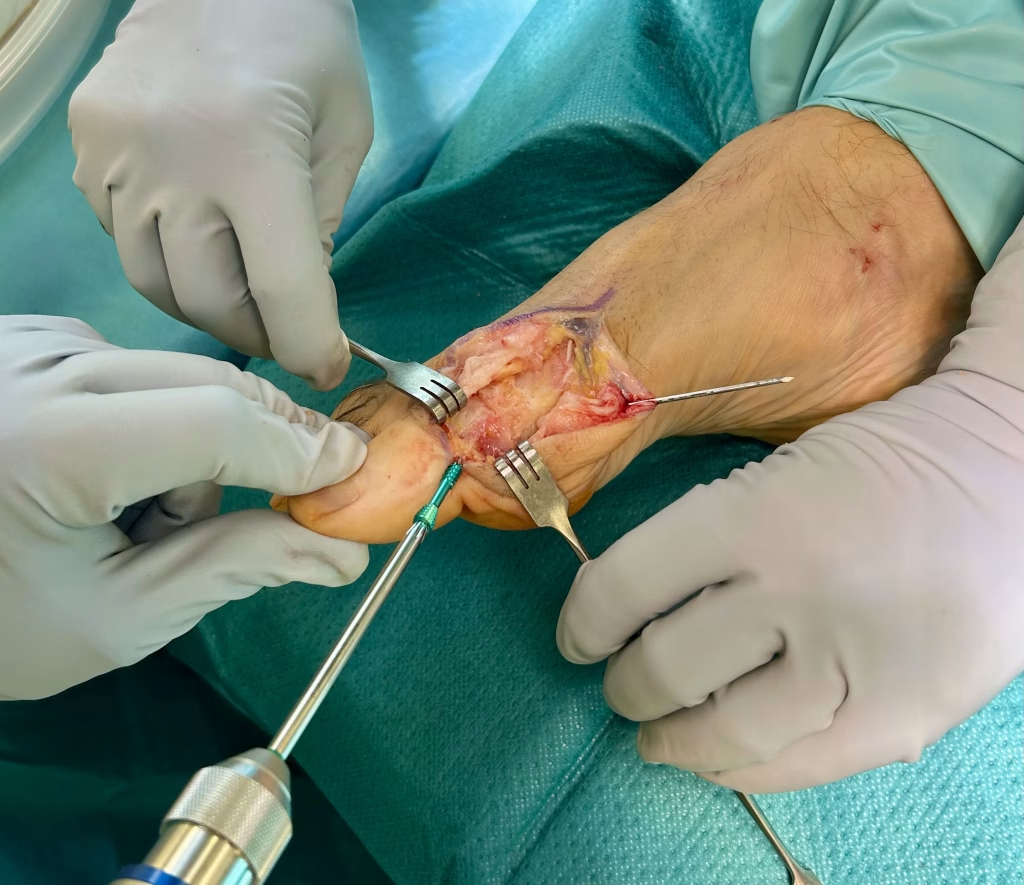
A consultation usually involves a detailed history, an examination of joint motion and tenderness, and an assessment of how the condition is affecting your gait. Imaging is often used to confirm the extent of arthritis and to determine which procedure is most appropriate. The aim is to match the treatment to the stage of arthritis, your lifestyle needs, and the type of pain you experience.
Surgical options
The most suitable operation depends on the severity of arthritis, joint shape, your level of activity, and how much movement remains.
Joint debridement and cheilectomy
In selected cases, a cheilectomy procedure may focus on removing painful bony prominences (often referred to as spurs) and improving joint clearance. This can reduce pain, particularly when the primary problem is impingement at the top of the joint and may improve movement in some patients.
Joint fusion
For more advanced arthritis in which pain predominates and the joint is severely worn, fusion may be considered. Fusion aims to remove the painful joint movement by permanently joining the bones in an optimal position for walking. Although it reduces arthritic joint motion, it can be very effective for pain relief and functional improvement in many patients.
Other procedures
Depending on your assessment, other surgical approaches may be discussed, particularly in earlier-stage disease. The key is selecting the operation that offers the most predictable outcome for your specific condition. Metatarsal shortening procedures are useful for some patients, and joint replacements are suitable for others.
This page is designed to cover the broad principles of hallux limitus surgery and hallux rigidus management. Your consultation will focus on what is most appropriate for you.
Benefits, risks, and realistic expectations
The aim of surgery is to relieve intractable pain and improve function. No surgical procedure can guarantee a perfect outcome, and not every patient will regain the same level of movement they had before arthritis developed. As with any operation, there are risks and possible complications, which will be discussed during consultation as part of informed consent.
Book an appointment
If you are struggling with a stiff, painful big toe joint and want to understand your options, an assessment can help clarify the diagnosis and the most appropriate plan. To discuss big toe arthritis surgery, hallux rigidus treatment, or whether hallux limitus surgery is appropriate, please get in touch to arrange a consultation.
Recovery and aftercare
Recovery varies depending on the procedure performed. You may be advised to use a post-operative shoe or boot for a period, and activity is usually increased in stages. Swelling can take time to settle after foot surgery, and follow-up appointments are important to monitor healing and guide progression back to normal footwear and walking.
During your recovery, you will receive clear guidance on:
- Wound care and keeping the foot protected
- When to increase walking and daily activity
- Footwear choices during the transition back to shoes
- When to restart driving and work (based on your situation and the procedure)