
Morton’s Neuroma - causes of forefoot pain and “Pebble in the Shoe” sensation
Morton’s neuroma is a common cause of forefoot pain, often described as burning, tingling, or a “pebble in the shoe” sensation under the ball of the foot. Despite the name, it isn’t usually a true tumour. Morton’s neuroma is typically an irritation and thickening of the nerve between the metatarsal bones (most often between the 3rd and 4th toes), caused by repeated compression and friction. Symptoms can fluctuate, but without addressing the underlying cause they may gradually become more frequent and limiting.

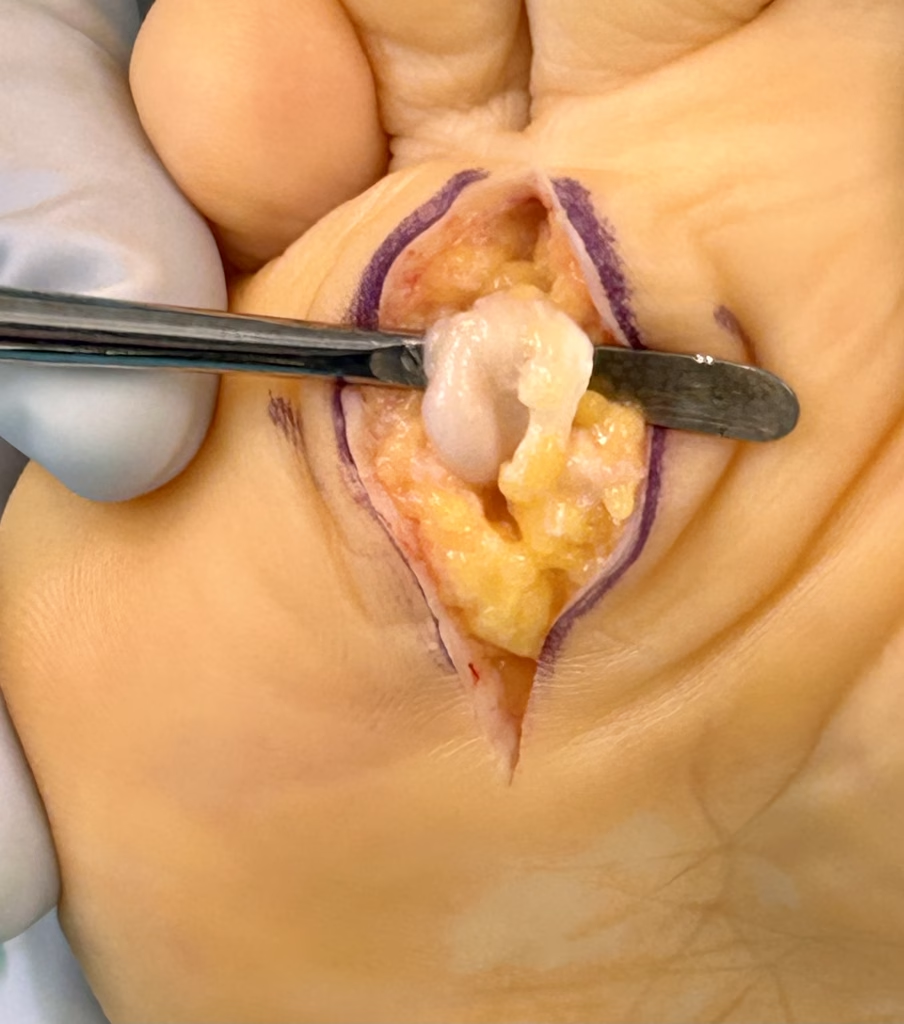
What does Morton’s neuroma feel like?
People experience Morton’s neuroma in slightly different ways, but classic symptoms include:
- A sharp, burning pain in the ball of the foot
- Tingling, numbness, or “electric shock” sensations into the toes
- Feeling like you’re standing on a fold in your sock or a small stone
- Pain that worsens in tight or narrow shoes and eases when barefoot
- Relief when you stop, massage the forefoot, or remove your shoe
Symptoms are often triggered by walking, running, or prolonged standing—especially on hard surfaces.
What causes Morton’s neuroma?
Morton’s neuroma is usually linked to mechanical overload and compression of the interdigital nerve. Common contributing factors include:
- Footwear: Narrow toe boxes and high heels increase pressure on the forefoot and squeeze the metatarsals together.
- Foot mechanics: Flat feet, high arches, or instability through the forefoot can increase nerve irritation.
- Overuse and impact: Running, court sports, and long periods on your feet can aggravate symptoms.
- Forefoot shape and toe alignment: Bunions, hammer toes, or a splayed forefoot can change load distribution.
Because the nerve is repeatedly pinched, inflammation develops, and the surrounding tissue can thicken, leading to persistent symptoms.
How is Morton’s neuroma diagnosed?
A diagnosis of Morton’s neuroma starts with a detailed history and clinical examination. Your clinician will assess the location of the pain, how footwear affects symptoms, and whether there is tenderness between the metatarsals or a palpable “click” when the forefoot is compressed.
Imaging may help in certain cases:
- Ultrasound can identify an interdigital neuroma and guide targeted treatment.
- MRI is sometimes used if the diagnosis is unclear or to assess other causes of forefoot pain.
Importantly, not all forefoot pain is Morton’s neuroma, so assessment aims to rule out stress fractures, arthritis, plantar plate injuries, and other conditions that can mimic similar symptoms.
Non-surgical treatment for Morton’s neuroma
Many patients improve with conservative treatment, particularly when symptoms are caught early. Options commonly include:
- Footwear changes: A wider toe box, lower heel height, and better cushioning can significantly reduce nerve compression.
- Insoles and orthotics: Metatarsal pads or tailored orthoses can offload the painful webspace and improve mechanics.
- Activity modification: Temporarily reducing high-impact activity can settle inflammation.
- Anti-inflammatory strategies: Short-term measures may help during flare-ups, guided by your clinician.
These approaches aim to reduce pressure on the nerve and calm irritation—often an effective first step for Morton’s neuroma.
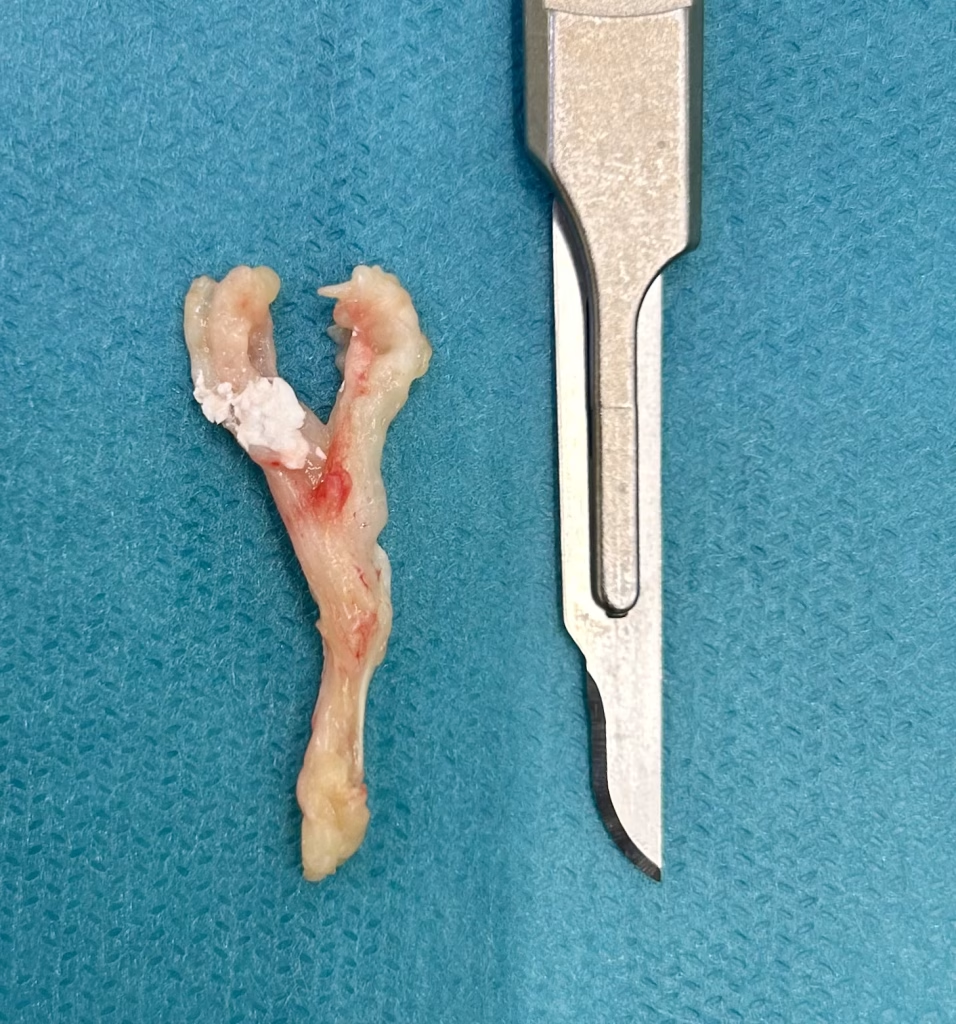
Steroid injection for Morton’s neuroma
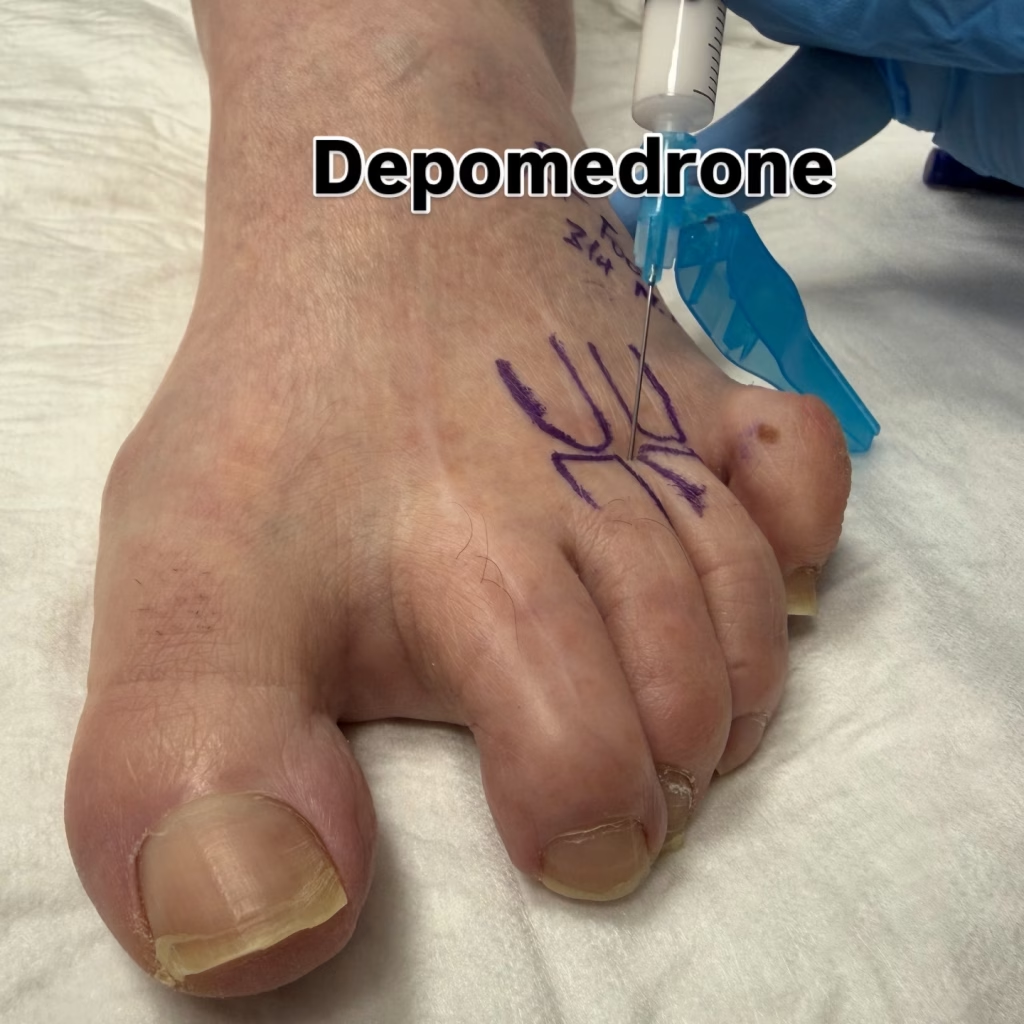
When pain persists despite footwear and orthotic measures, an ultrasound-guided injection can be a valuable next step. An ultrasound-guided injection typically involves placing an anti-inflammatory medication (commonly a corticosteroid) precisely around the irritated nerve. Though the injection is easy to perform, using ultrasound improves accuracy, helps target the right area, and can be particularly useful when symptoms are specific but difficult to localise by feel alone.
An ultrasound-guided injection is not “a cure” for every case, but many people get meaningful pain relief, allowing them to return to walking and activity with fewer symptoms. In some cases, a second injection may be considered, depending on response and overall management plan.
What to expect from assessment and a treatment plan
A good Morton’s neuroma plan is individualised. We focus on confirming the diagnosis, identifying the pressure and mechanical drivers, and developing a stepwise approach—often starting with footwear and orthotic support, then considering an ultrasound-guided injection, and discussing surgery only when truly necessary.
If you’re struggling with suspected Morton’s neuroma, I can assess your foot, confirm the cause of your symptoms, and guide you through treatment options designed to get you back to comfortable walking.
When is surgery considered?
Surgery may be discussed if Morton’s neuroma symptoms remain severe and persistent despite appropriate conservative care and injection therapy. The surgical approach depends on your presentation and may involve releasing the tight structures around the nerve (decompression) or removing the affected nerve segment (neurectomy). Your surgeon will explain the likely benefits, recovery expectations, and potential risks—such as persistent numbness in the affected toes or ongoing discomfort.