Ingrown Toenails (Onychocryptosis) - symptoms, causes and treatment
Ingrown toenails (also called onychocryptosis) occur when the edge or corner of a toenail grows into the surrounding skin. This can cause pain, redness, swelling, and infection. The big toe is the most commonly affected digit, and symptoms often worsen with tight footwear, activity, or repeated pressure. Early treatment (self-care or from a Podiatrist) can prevent the problem from becoming recurrent, chronically painful, or infected.

What causes ingrown toenails?
Ingrown toenails typically result from a combination of nail shape, footwear pressure, and poor nail trimming. Common contributing factors include:
- Improper nail cutting: Trimming nails too short, rounding the corners, or tearing the nail can leave a sharp edge that grows into the skin.
- Footwear pressure: Tight shoes or narrow toe boxes compress the nail and skin together, increasing irritation.
- Nail shape and genetics: Some people naturally have more curved (“involuted”) nails or wider nail folds.
- Trauma: Stubbing the toe, repeated impact (sport), or previous nail injury can distort nail growth.
- Excess sweating and soft skin: Moist skin is more prone to breakdown and irritation around the nail.
- Thickened nails: Conditions such as fungal nail changes can increase pressure at the nail edge.
Symptoms and signs
Ingrown toenails can range from mild tenderness to severe pain with infection and hypergranulation tissue. Typical symptoms include:
- Pain along one or both sides of the nail
- Redness and swelling of the nail fold
- Discharge, bleeding, or an unpleasant smell
- Overgrown “proud flesh” (hypergranulation tissue) at the nail edge
- Difficulty wearing shoes or walking comfortably
If there is spreading redness, pus, fever, or worsening pain—especially in people with diabetes, poor circulation, or reduced sensation—urgent assessment is recommended.
Non-surgical treatment options
Early or mild ingrown toenails often respond well to conservative care. This may include:
- Careful nail edge management (removing the offending spike)
- Antiseptic care and dressings if the skin is broken
- Advice on footwear (wide toe box, reduced pressure)
- Guidance on nail cutting technique and preventing recurrence
- Managing contributing issues such as sweating, thickened nails, or fungal infection
For recurrent problems, conservative care may provide temporary relief but may not stop the nail edge from re-growing into the skin.
When is surgery recommended?
Minor surgery is commonly considered when ingrown toenails are recurrent, severe, or repeatedly infected. You might be advised to consider a procedure if:
- You have repeated painful episodes on the same nail edge
- Infection keeps returning despite appropriate treatment
- There is significant swelling or granulation tissue
- The nail is markedly curved and consistently grows into the skin
- Symptoms are limiting your work, exercise, or daily activities
Ingrown toenail surgery
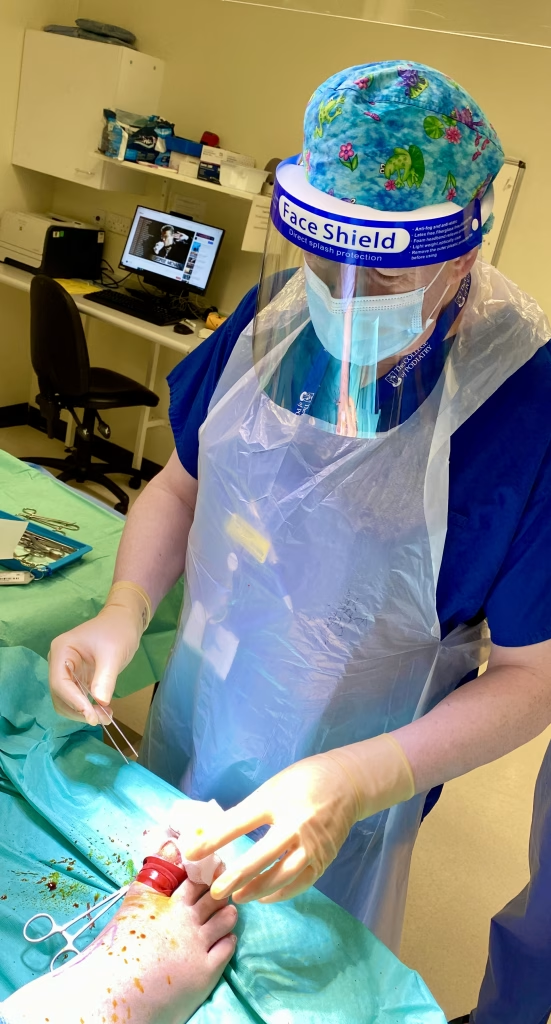
The most common surgical approach is a partial nail avulsion with nail matrix treatment performed under local anaesthetic. This involves removing a narrow strip of nail from the affected side(s) and treating the nail root (matrix) with an acid (phenol) to prevent regrowth of the problematic edge. The aim is to maintain the nail’s natural appearance while preventing recurrence. Other techniques, such as the Winograd Procedure, may be preferable. Total nail removal is optimal in certain cases.
I will discuss the most suitable option based on your nail shape, symptoms, medical history, and lifestyle.
Why choose a specialist clinic?
I offer the full range of nail surgery procedures, from phenolic nail surgery to incisional nail procedures for recurrent or complicated ingrown toenails and have published extensively in this area (see my research profile).
Accurate assessment matters—because an ingrown toenail can look similar to other nail-fold problems, which I also treat. The best long-term result depends on choosing the right procedure and aftercare. A specialist approach focuses on pain relief, infection control, and recurrence prevention while maintaining the nail’s natural appearance.
If you are dealing with painful, recurrent ingrown toenails, I can assess the toe and, when appropriate, offer effective surgical care designed to solve the problem long-term.
What to expect: procedure and recovery
Ingrown toenail surgery is typically a straightforward day-case procedure performed under local anaesthetic. The toe is numbed, the ingrown section of nail is removed, and the nail matrix is treated to reduce the chance of regrowth at that edge. A dressing is then applied.
After the procedure:
- You will receive clear aftercare instructions on cleaning, dressing changes, and activity
- Mild discomfort is common once the anaesthetic wears off, usually manageable with simple pain relief
- A period of drainage can be normal, especially after chemical matrix treatment
- Most people return to comfortable footwear gradually, depending on swelling and sensitivity
- Healing time varies, but many patients resume normal daily activities within days, with full skin healing over the following weeks
If you have diabetes, poor circulation, immune suppression, or a history of slow wound healing, your care plan may be adjusted to ensure safety and optimal recovery.