Hallux Valgus (Bunion) - causes, symptoms and treatment options
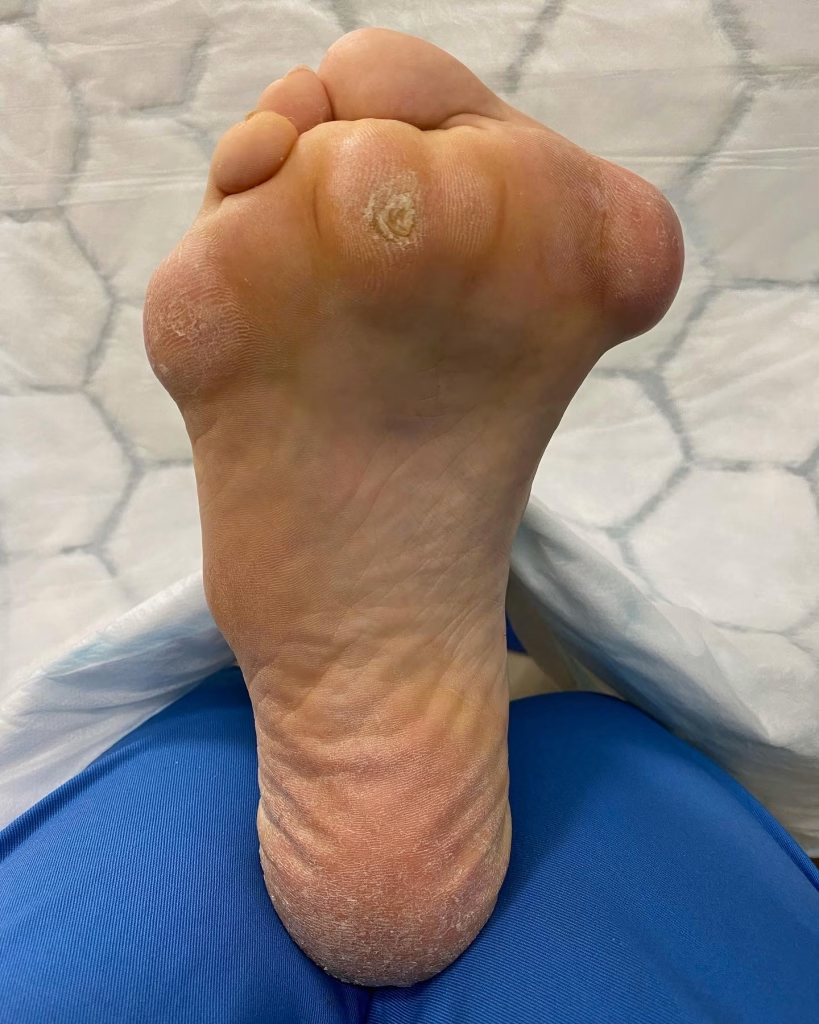
Hallux valgus – commonly called a bunion – is a progressive deformity where the big toe drifts towards the second toe and the joint at the base of the big toe becomes prominent. As the alignment changes, the joint can become irritated, painful, and swollen, making everyday activities like walking, standing, exercising, or wearing normal shoes uncomfortable. Some people notice rubbing and redness over the bump, while others experience pressure-related pain under the ball of the foot, callus formation, or changes in gait.

What causes hallux valgus?
Hallux valgus often develops gradually and is influenced by multiple factors. Foot shape and inherited mechanics can play a major role, meaning it can run in families. Tight or narrow footwear may worsen symptoms, but it is rarely the only cause. Over time, the soft tissues around the joint can stretch, the metatarsal bone can drift, and the big toe may rotate as it deviates—creating the classic bunion appearance. In more advanced cases, the second toe may become crowded or elevated, and pain may spread to the forefoot.
When is bunion surgery considered?
Many cases of hallux valgus can be managed without surgery. Treatment often starts with footwear advice (wider toe box), activity modification, padding, anti-inflammatory measures, and orthotics to support foot mechanics. Surgery may be considered when pain persists despite conservative care, footwear limitations are significant, or the deformity is progressing and affecting quality of life. Importantly, surgery is usually recommended based on symptoms (pain and functional limitations), rather than appearance alone.
Goals of hallux valgus surgery
The aim of hallux valgus surgery is to correct alignment, reduce pain, and improve function. This typically involves:
- Realigning the bones of the big toe joint
- Balancing the surrounding soft tissues
- Reducing the prominent bump
- Restoring a more stable, comfortable forefoot for walking and footwear
The exact surgical plan depends on the severity of the deformity, joint condition, bone angles, and your lifestyle needs.

The Scarf procedure for hallux valgus
There are more than 130 named bunion surgery procedures! I utilise five. One well-established option for suitable cases is the scarf procedure. The scarf procedure is a type of osteotomy, meaning the surgeon carefully cuts and repositions the first metatarsal bone (the long bone behind the big toe joint) to correct the underlying alignment. The bone is then secured with small surgical screws to allow healing in the corrected position.
The Scarf procedure is commonly used for mild-to-moderate hallux valgus and, in some cases, for selected more significant deformities, depending on the overall foot structure and clinical assessment. It is valued for its ability to allow controlled correction in multiple planes and for providing stable fixation, which can support earlier mobilisation in appropriate patients. In some cases, additional procedures may be performed at the same time—for example, soft-tissue balancing around the joint or addressing associated problems such as a painful second toe or forefoot overload.
What to expect: assessment, surgery, and recovery
Your consultation will include a thorough clinical examination and weight-bearing X-rays. These help confirm the diagnosis, assess severity, and guide the choice of procedure – whether the scarf procedure or an alternative approach is most appropriate for your hallux valgus.
Surgery is usually performed as a day case. After the operation, you will typically use a post-operative shoe or boot to protect the correction while the bone heals. Swelling is expected and can take several months to settle. Most people return to comfortable daily activities in stages, with timelines depending on the procedure performed, your job demands, and individual healing. Rehabilitation may include range-of-motion exercises, scar management, and a gradual return to normal footwear.
Why choose a specialist team?
Hallux valgus surgery is highly tailored—no single procedure suits everyone. A specialist assessment helps ensure the right correction for your foot type, symptoms, and goals, and supports a safe recovery plan.
If bunion pain is limiting your life, I can assess your hallux valgus, discuss non-surgical options, and explain whether the scarf procedure or another surgical technique is likely to give you the best outcome.