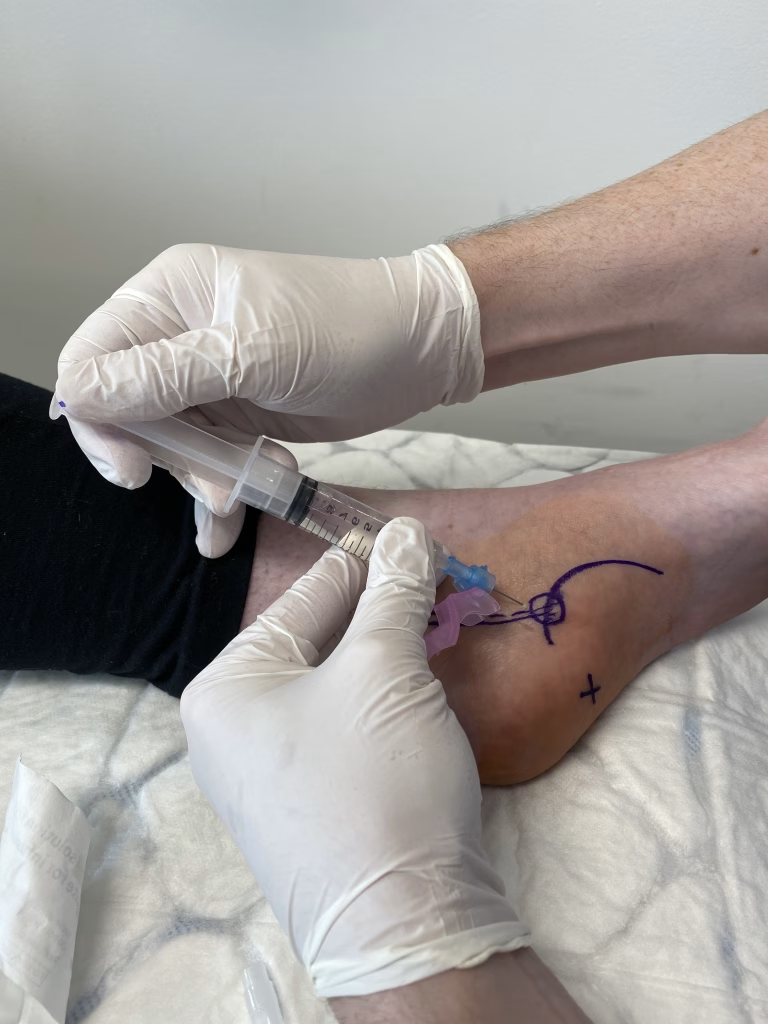
Steroid Injections for Foot and Ankle Pain - reducing inflammation and supporting recovery
Steroid injections into the foot are commonly used to reduce inflammation and relieve pain in a range of foot and ankle conditions. A steroid injection typically combines a corticosteroid (an anti-inflammatory medication) with a local anaesthetic. The goal is to reduce inflammation in an irritated joint, tendon sheath, bursa, or soft-tissue structure—often allowing you to return to walking and activity more comfortably while other treatments (such as physiotherapy, footwear changes, or orthotics) take effect.
Steroid injections are not always a “cure”, but for many patients, they can provide meaningful pain relief, reduce flare-ups, and help avoid or delay surgery.

What foot problems can steroid injections help with?
Steroid injections of the foot may be recommended for inflammatory or irritation-related pain, including:
- Plantar fasciitis (heel pain)
- Morton’s neuroma (often when guided to the target area)
- Arthritis or synovitis in foot joints (including the big toe joint)
- Bursitis (inflamed fluid-filled sacs)
- Tendon sheath inflammation (tenosynovitis), in selected cases
- Capsulitis / forefoot joint inflammation
- Painful inflammatory flare-ups in specific soft tissue structures
A proper assessment is important because injections are most effective when inflammation is the driver—and some conditions are better treated with offloading, rehabilitation, or alternative interventions.
How do steroid injections work?
Corticosteroids reduce inflammatory activity in tissues. When placed accurately at the source of pain, a steroid injection can:
- Decrease swelling and irritation
- Reduce pain sensitivity in the area
- Improve movement when stiffness is related to inflammation
- Help break a cycle of pain and guarding
The local anaesthetic provides immediate, short-term numbness (typically for a few hours), whereas the steroid effect typically develops over several days.
Risks and side effects
Steroid injections are generally safe when used appropriately, but like any procedure they carry potential risks. Your clinician will discuss these in detail. Possible side effects include:
- Temporary flare of pain for 24–72 hours after the injection
- Skin thinning or colour change at the injection site (more relevant in superficial areas)
- Fat pad thinning in certain locations
- Infection (rare, but important to recognise early)
- Bleeding or bruising
- Temporary numbness from the local anaesthetic
- Tendon weakening or rupture (rare, risk depends on location and technique)
- Raised blood glucose for a few days in people with diabetes
Because repeated steroid exposure can affect soft tissues, clinicians usually limit how frequently injections are given in the same area, and ensure each injection has a clear clinical rationale.
What happens during a foot steroid injection?
Steroid injections of the foot are usually performed in the clinic or minor surgery treatment suite and take only a few minutes. The area is carefully cleaned, and the injection is placed into the intended structure (e.g., a joint, tendon sheath, or around an irritated nerve). In some cases—particularly for smaller joints or conditions like Morton’s neuroma—ultrasound-guided injection may be recommended to improve accuracy and target the medication precisely. X-ray guided injections are also utilised.
You may feel pressure or a brief sting. Many patients tolerate the procedure well. After the injection, you’ll usually be advised to rest the foot for a short period and avoid strenuous activity for a couple of days.
How long do steroid injections last?
Response varies depending on the diagnosis and the tissue being treated. Some people experience relief for weeks to months, while others may get a shorter-term benefit or limited improvement. Steroid injections are often most effective when combined with addressing the underlying cause—such as footwear modifications, orthotics, strengthening, or load management—thereby reducing the likelihood of symptom recurrence.
Aftercare and recovery
Most people can walk out after steroid injections of the foot, but you’ll usually be advised to:
- Take it easy for 24–48 hours
- Avoid high-impact exercise for a few days
- Follow your plan for footwear, insoles/orthotics, or rehab exercises
- Monitor for concerning signs such as increasing redness, warmth, swelling, fever, or persistent worsening pain
Who should be cautious with foot steroid injections?
You should tell your clinician if you:
- Have diabetes (blood sugars can rise temporarily)
- Are on blood-thinning medication
- Have immune suppression or a history of poor wound healing
- Are pregnant or may be pregnant
- Have an active infection anywhere in the body, or broken skin at the injection site
These factors don’t always prevent an injection, but they may influence timing, technique, or whether another treatment is safer.
Why choose a specialist assessment?
Steroid injections are most effective when the diagnosis is accurate and the injection is placed accurately. A specialist foot assessment ensures you are treated for the right condition and that injections are used as part of a broader plan to prevent recurrence. I offer the full range of steroid injections, under both X-ray and ultrasound guidance, and have published extensively in this area (see my research profile).
If you’re considering steroid injections of the foot, I can assess the cause of your pain, explain whether an injection is appropriate, and discuss expected benefits, risks, and alternatives—so you can make an informed choice.