
Hammer Toe Deformities - Causes, Symptoms and Treatment Options
Hammer toe deformities are a common forefoot problem where one or more toes become bent into an abnormal position—typically at the middle joint—creating a “hammer-like” shape. Over time, the toe may begin to rub against footwear, leading to pain, corns, calluses, blisters, and difficulty finding comfortable shoes. While any toe can be affected, hammer toe most commonly involves the second toe and can occur on one foot or both feet.


What causes hammer toe deformities?
Hammer toe deformities usually develop gradually due to an imbalance in the tendons and muscles that control toe position. Several factors can contribute, including:
- Foot mechanics and genetics: Some people naturally have foot shapes or biomechanics that increase pressure through the toes.
- Tight or narrow footwear: Shoes with a cramped toe box can encourage toe buckling and rubbing over time.
- Longer second toe or forefoot overload: A long second toe or excess pressure under the ball of the foot can destabilise toe alignment.
- Bunions (hallux valgus): A bunion can crowd the lesser toes, increasing the chance of hammer toe formation.
- Arthritis and inflammatory conditions: These can change joint stability and toe alignment.
- Neurological conditions: Nerve or muscle imbalance can lead to progressive toe deformity.
Early hammer toe deformities may be flexible (the toe can still be straightened), but they can become rigid over time as the joints stiffen and soft tissues tighten.
Symptoms and signs
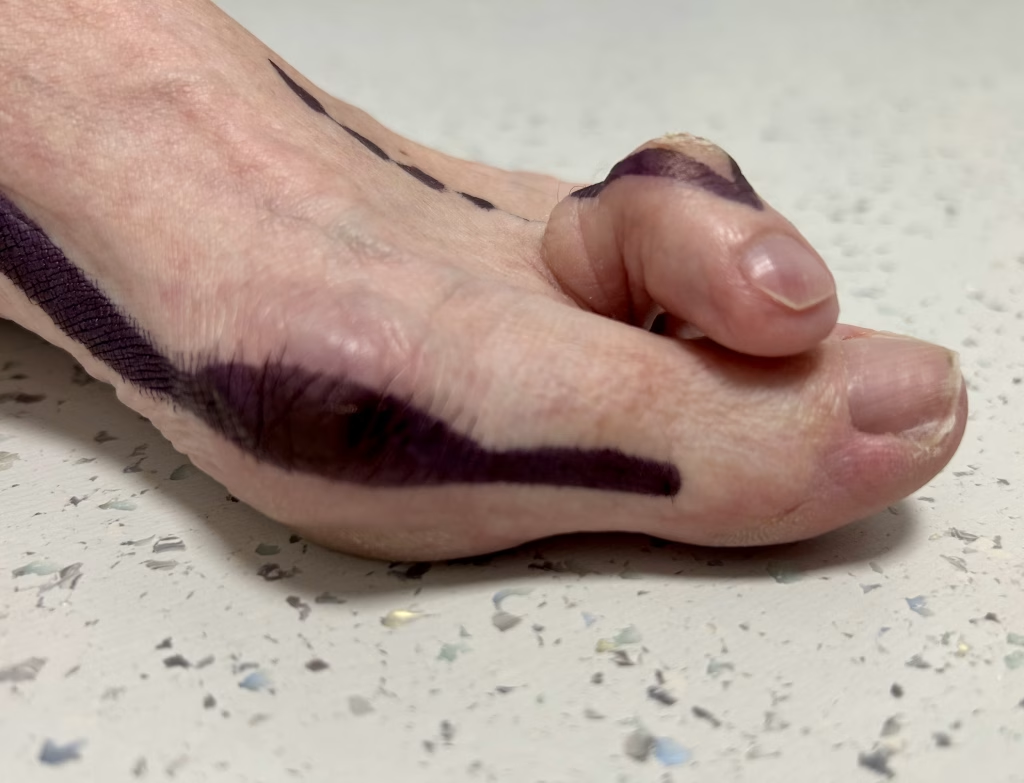
Common symptoms include pain over the top of the toe, discomfort in shoes, and hard skin where the toe rubs. You might notice:
- A prominent “knuckle” on the top of the toe
- Corns or callus on the toe or under the ball of the foot
- Redness, swelling, or broken skin from friction
- A toe that feels stiff or locked in position
- Pain under the forefoot due to altered pressure distribution
When is surgery considered?
Many hammer toe deformities can be managed without surgery, especially in the early stages. Conservative care may include footwear advice (deeper toe box), padding or silicone toe props, callus care, and orthotics to reduce pressure and improve mechanics.
Surgery may be recommended when:
- Pain persists despite appropriate non-surgical management
- Corns/callus or rubbing repeatedly returns and limits daily life
- The toe has become rigid and cannot be corrected with splints
- There are recurrent ulcers or skin breakdown (higher risk in diabetes or poor circulation)
- The deformity is worsening and affecting neighbouring toes
Goals of hammer toe surgery
The main goals are to reduce pain, correct the toe position, and prevent ongoing rubbing. The exact procedure depends on whether the deformity is flexible or rigid and whether other problems (such as bunion deformity or forefoot overload) need addressing at the same time.
Common surgical options include:
- Soft tissue procedures (often for flexible deformities): tendon release or tendon transfer to rebalance pull on the toe
- Joint procedures (often for rigid deformities): straightening by addressing the stiff joint—commonly through joint resection/arthroplasty or joint fusion (arthrodesis) of the middle toe joint
- Metatarsal procedures (in selected cases): when high pressure under the ball of the foot is driving pain or recurrence
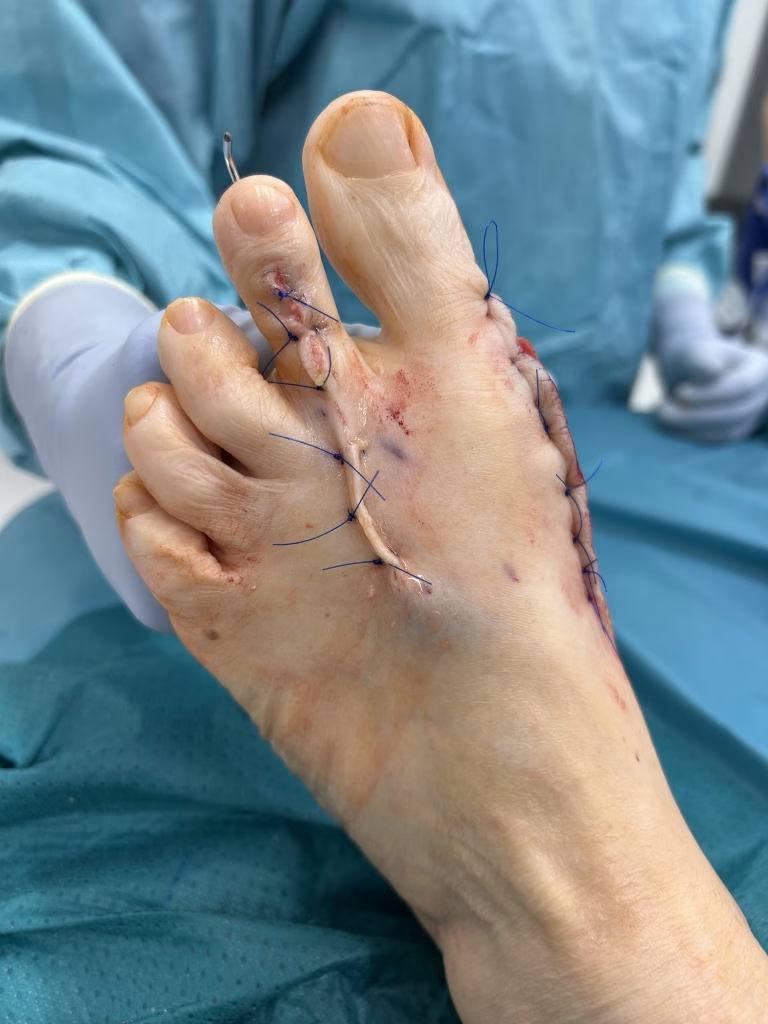
- Temporary pinning or internal fixation: to hold the toe in the corrected position while it heals (method depends on the procedure and surgeon preference)
I will explain which approach best matches your toe stiffness, foot shape, skin issues, and activity goals.
Why choose a specialist team?
Hammer toe deformities are not “one-size-fits-all.” A tailored plan—based on whether your toe is flexible or rigid and what’s driving the pressure—gives the best chance of long-term comfort and a stable correction.
If hammer toe pain is limiting your walking or footwear choices, I can assess your foot, discuss non-surgical options, and explain whether surgical correction is appropriate for you.
What to expect: assessment, surgery, and recovery
Your appointment will include a detailed examination and, where necessary, weight-bearing X-rays to assess joint alignment and identify contributing factors such as hallux valgus, metatarsal length patterns, or arthritis.
Hammer toe surgery is often performed as a day case. After surgery, you will typically wear a post-operative shoe or boot to protect the toe while it heals. Swelling is normal and may take weeks to months to resolve, particularly in the toes. Most patients gradually return to day-to-day activities, depending on the number of toes treated, the technique used, and the level of physical activity in their job. Rehabilitation may include toe mobilisation exercises, scar care, and a staged return to normal footwear.